Deed Theft
Deed theft
They may forge your name or trick you into signing documents. They may file fake papers to make it look like they own your home. If you think this may be happening, get help right away.
What is deed theft?
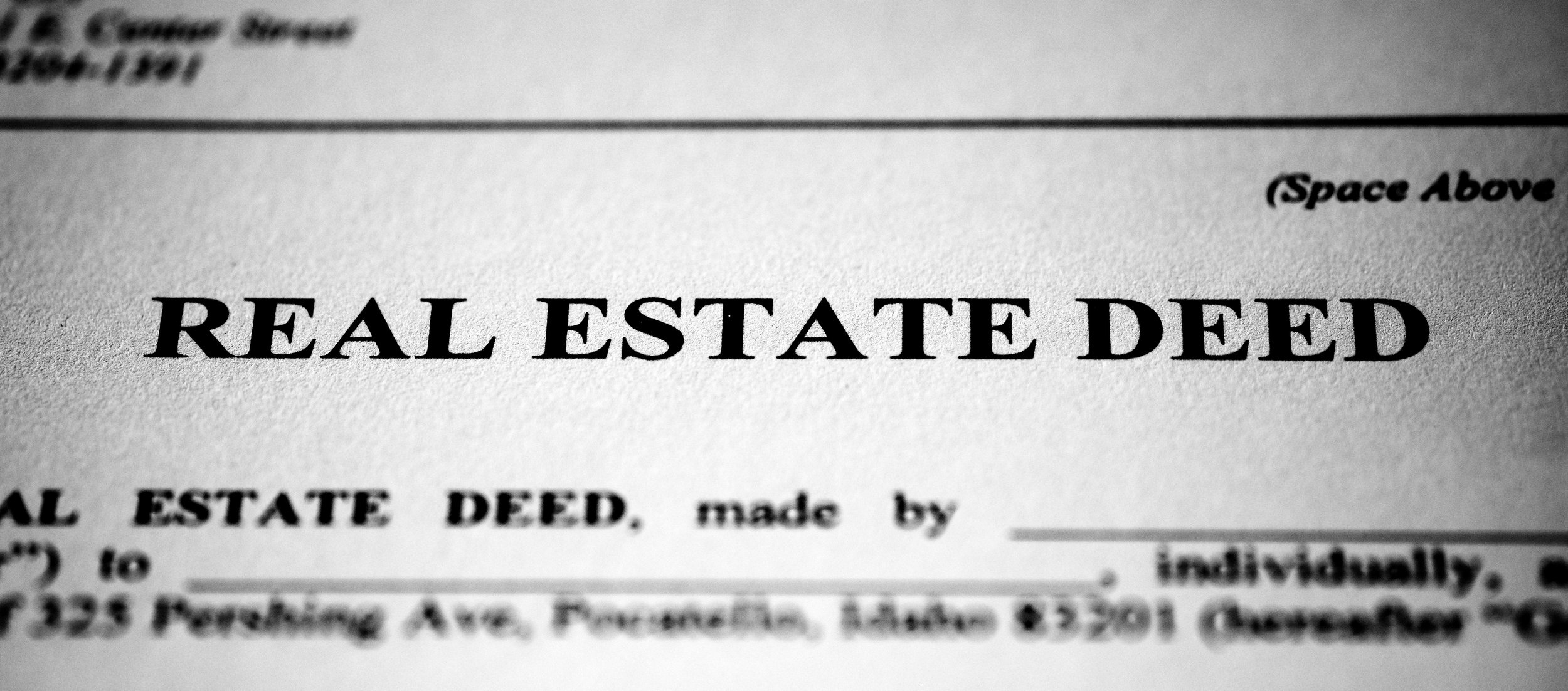
A deed is the legal paper that shows who owns a home.
In a deed theft scam, someone tries to take your home by lying, forging your name, or filing fake papers.
Some scammers tell homeowners they are signing papers for help.
But the papers may actually give the home to someone else.
In other cases, a scammer may file a fake deed without the homeowner knowing. Sometimes they use a company name to hide who they are.
How to report deed theft
If you think deed theft has happened:
Get legal help right away.
Report it to the New York State Attorney General.
Contact the NYC Sheriff’s Deed Fraud Unit.
Contact your borough District Attorney if needed.
Bronx: 718-383-7676
Kings (Brooklyn): 718-250-2340
New York (Manhattan): 212-335-8900
Queens: 718-286-6673
Richmond (Staten Island): 718-556-7226
Sign up for recorded document alerts to watch for future filings.
Who may be at higher risk
Scammers often target homeowners who are:
behind on mortgage payments
behind on property taxes
behind on water bills
in foreclosure
older adults on a fixed income
Scams that can lead to deed theft
Someone asks you to sign over your deed
A scammer may say it is temporary or that you can buy the home back later.
Someone asks you to put your home into a company or LLC
This can be a warning sign, especially if you are also being offered a high-cost loan.
Someone files fake papers about your home
A scammer may forge your name or file false documents to make it look like they own your home.
Someone creates fake mortgage documents
They may use false papers to make it look like you owe money or defaulted on a loan.
What to do right away
If you think someone is trying to steal your deed:
Do not sign anything you do not understand
Do not give away documents about your home
Do not trust promises that sound too good to be true
Get trusted legal or housing counseling help right away
Keep copies of letters, emails, texts, and papers
Write down names, phone numbers, and dates
What to look out for
You may be dealing with deed theft if:
Someone asks you to give them your home on paper to fix your credit
You are behind on payments and start getting lots of high-pressure calls, letters, or visits
Someone tells you not to get your own lawyer or advisor
Source: Brooklyn Legal Services
What scammers may say
A scammer may tell you:
“This will save your home.”
“This is only temporary. You can get your home back later.”
“You do not need your own lawyer.”
“Sign now before it is too late.”
Some homeowners are told they are signing papers for a mortgage change or another kind of help, when the papers are really used to transfer the home. Others are told the transfer is temporary, then later the scammer tries to evict them and sell the property.
How to protect yourself
You can take steps now to help protect your home:
Sign up for the NYC Department of Finance’s Recorded Document Notification Program
Review any new document filed for your property
Make sure the information is correct
Get advice from someone you trust before signing papers about your home
Get free help
Click the Get Help Now button to tell us what’s going on. We’ll connect you to the right help.
You can also call us at 646-786-0888, Monday through Friday, 9 am to 5 pm.
If you call after hours, leave a message. Someone will get back to you as soon as possible.
Remember
Real help should not feel rushed, secret, or confusing.
If someone pressures you to sign papers about your home, stop and get advice first.
Our Help Desk Partners
In Partnership With